
What Deductible Assessment Coverage Means in Plainview, NY
Deductible assessment coverage is a part of condo insurance that can help pay your share when a condominium association passes along part of the master policy deductible to unit owners after a covered loss. In practical terms, if a storm, fire, burst pipe, or other covered event damages common property and the association's policy has a large deductible, owners in Plainview may be assessed for a portion of that amount. This coverage is often included in an HO6 policy or available by endorsement. It matters because many condo owners assume the association handles everything, when in reality the governing documents may shift certain costs back to each unit owner.
Why Condo Owners Need Deductible Assessment Coverage in Plainview
In Plainview, condo owners face a mix of risks that can trigger association claims, including wind-driven rain, winter pipe freezes, electrical fires, and water damage that spreads between units. Many Long Island associations also carry higher master policy deductibles to manage premium costs, which can increase the chance of a pass-through assessment after a loss. That makes deductible assessment coverage especially important in Plainview and nearby communities such as Syosset, Woodbury, and Bethpage, where condo buildings may share walls, roofs, hallways, and mechanical systems. A single event affecting common elements can quickly create a bill that unit owners did not expect, especially if they have not reviewed their bylaws or insurance limits recently.
What Deductible Assessment Coverage Typically Covers
This coverage generally helps with your share of a covered assessment when the condo association's deductible is allocated to owners because of damage insured under the master policy. For example, if a fire damages a lobby, roof area, or shared utility space and the association has a significant deductible, your policy may help pay your assigned portion up to your policy limit. Coverage terms vary, so it is important to confirm whether the policy responds only to covered property losses or also to certain liability assessments. It is also important to know that this coverage does not usually pay for routine maintenance, reserve shortfalls, deferred repairs, or assessments tied to uncovered causes of loss.
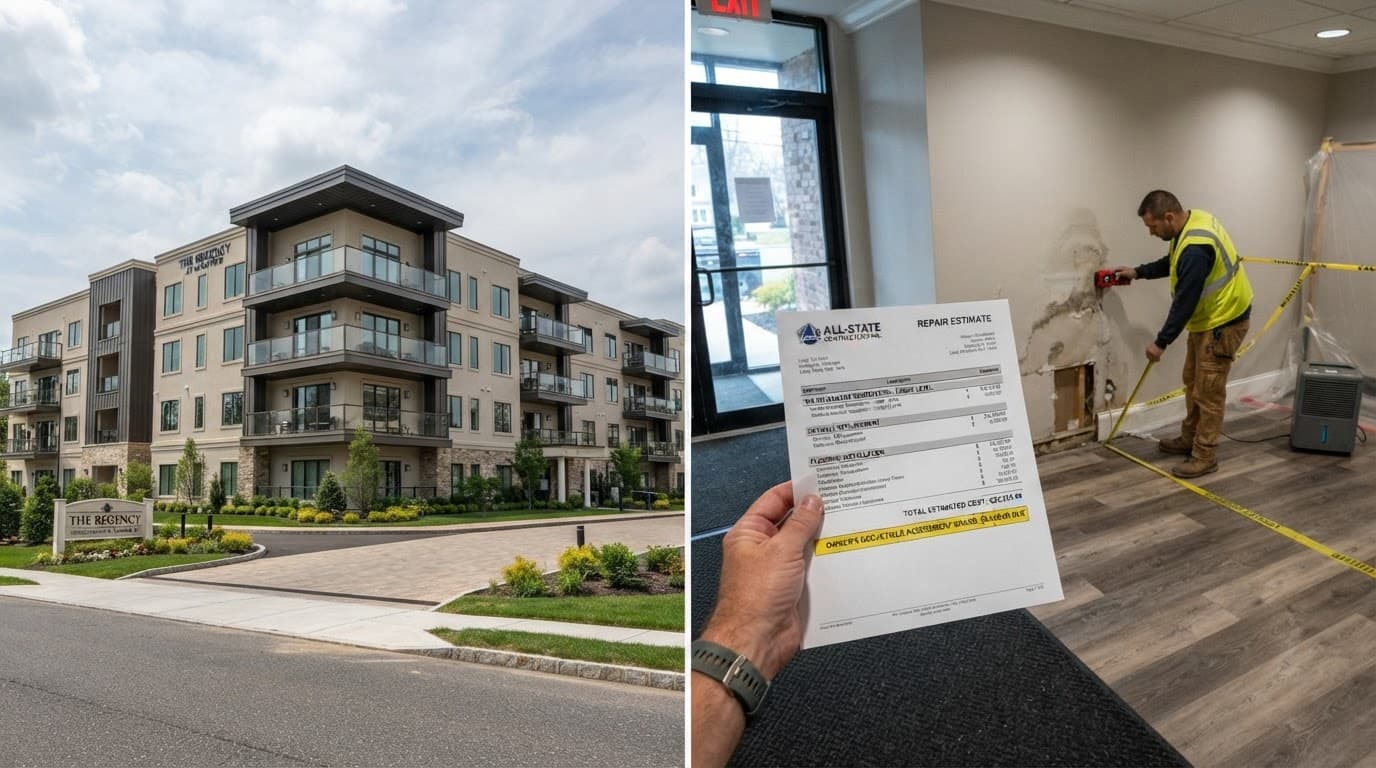
Key Benefits of Deductible Assessment Coverage
- Helps pay your share of an association master policy deductible after a covered loss
- Can reduce out-of-pocket costs when damage affects shared areas or building systems
- Supports HO6 protection for condo owners who may otherwise face surprise assessments
- Useful in buildings with higher deductibles, aging infrastructure, or frequent water loss exposure
- Adds financial predictability for owners in Plainview and nearby condo communities

Factors Affecting Deductible Assessment Rates in Plainview, NY
The cost of deductible assessment coverage in Plainview depends on several factors, including the age and construction of the condo building, prior claims history, the size of the association deductible, and the limit selected on the unit owner policy. Buildings with repeated water losses, older plumbing, or roof issues may present higher risk. Insurers also look at whether the association is well managed, how the master policy is structured, and whether losses are more likely to affect multiple units at once. In Plainview, rates can also reflect local rebuilding costs on Long Island and the greater frequency of weather-related property claims compared with lower-risk regions. Higher limits usually mean a higher premium, but they may offer better protection against large pass-through charges.
How Deductible Assessment Claims Usually Work
The claims process usually begins when the condo association experiences a covered loss and determines that part of the master policy deductible will be charged to unit owners. The association typically issues written notice explaining the event, the amount due, and how the cost is being divided. A unit owner in Plainview would then submit that assessment notice, along with policy information and any requested building documents, to the condo insurer. The carrier reviews whether the underlying cause of loss is covered, whether the assessment qualifies under the policy, and whether the amount falls within the deductible assessment limit. Keeping copies of bylaws, master policy summaries, and board notices can make the process smoother and help avoid delays.
Common Mistakes About Deductible Assessment Coverage in Plainview
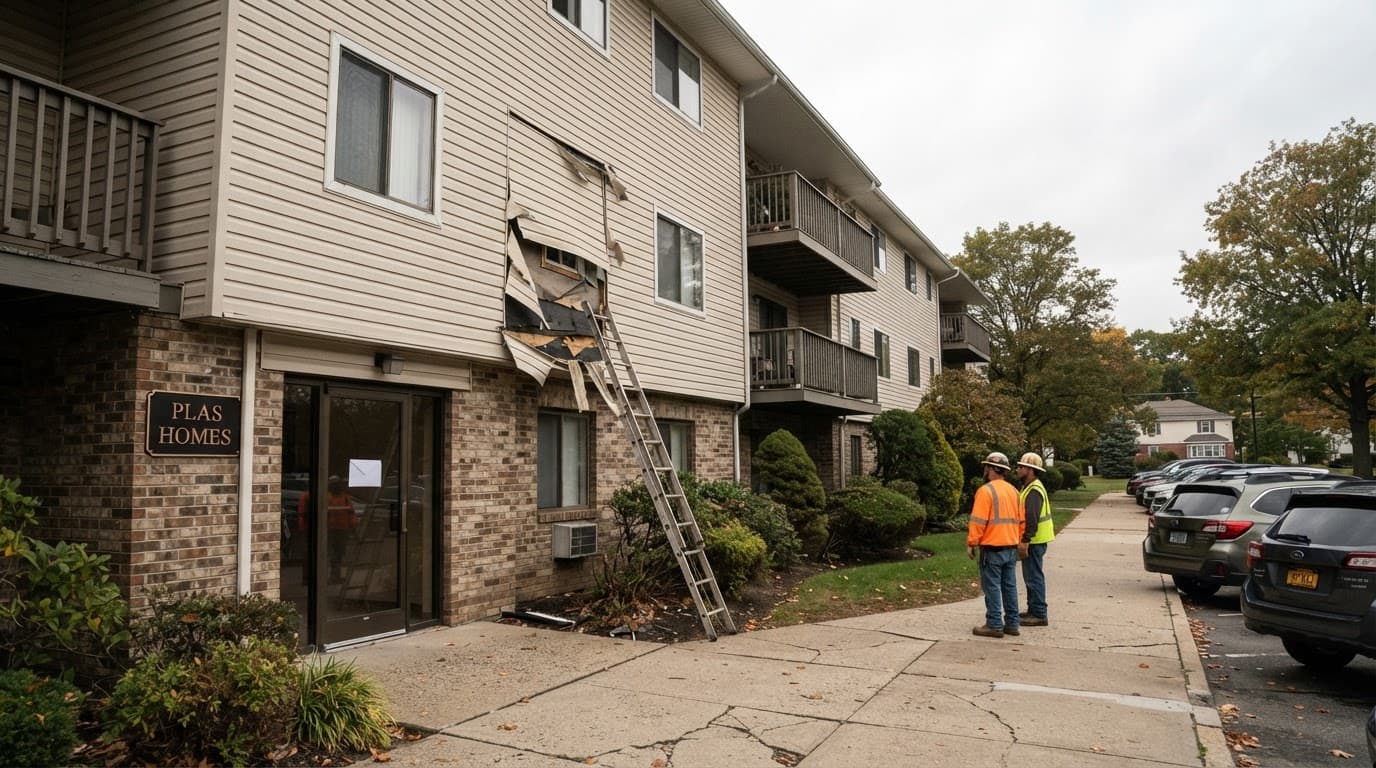
One common mistake is assuming the association's master policy fully protects every owner from every building-related expense. Another is believing all assessments are covered automatically, even when they stem from maintenance issues, wear and tear, or excluded causes of loss. Some condo owners in Plainview also overlook the actual deductible size on the master policy, which may be much higher than expected. Others carry only a basic limit on their HO6 policy without comparing it to the association's governing documents and current insurance structure. It is also a misconception that all unit owners are assessed equally in every situation. Some associations allocate costs by percentage ownership, unit type, or another formula described in the bylaws.
Choosing the Right Deductible Assessment Limit
The right limit depends on the association's master policy deductible, how assessments are allocated, and the financial risk a unit owner wants to absorb personally. A good starting point is reviewing the condo bylaws, declarations, and master policy summary to see how large the deductible is and when it can be passed through. In Plainview, where repair costs and labor expenses can be substantial, a low limit may leave a gap after a major claim. Owners should also consider whether the building has a history of water, storm, or fire claims and whether nearby areas like Hicksville, Old Bethpage, or Farmingdale face similar building exposures. Matching the coverage limit to the real assessment risk is more effective than relying on a default amount.
Getting Deductible Assessment Coverage in Plainview and Nearby Areas
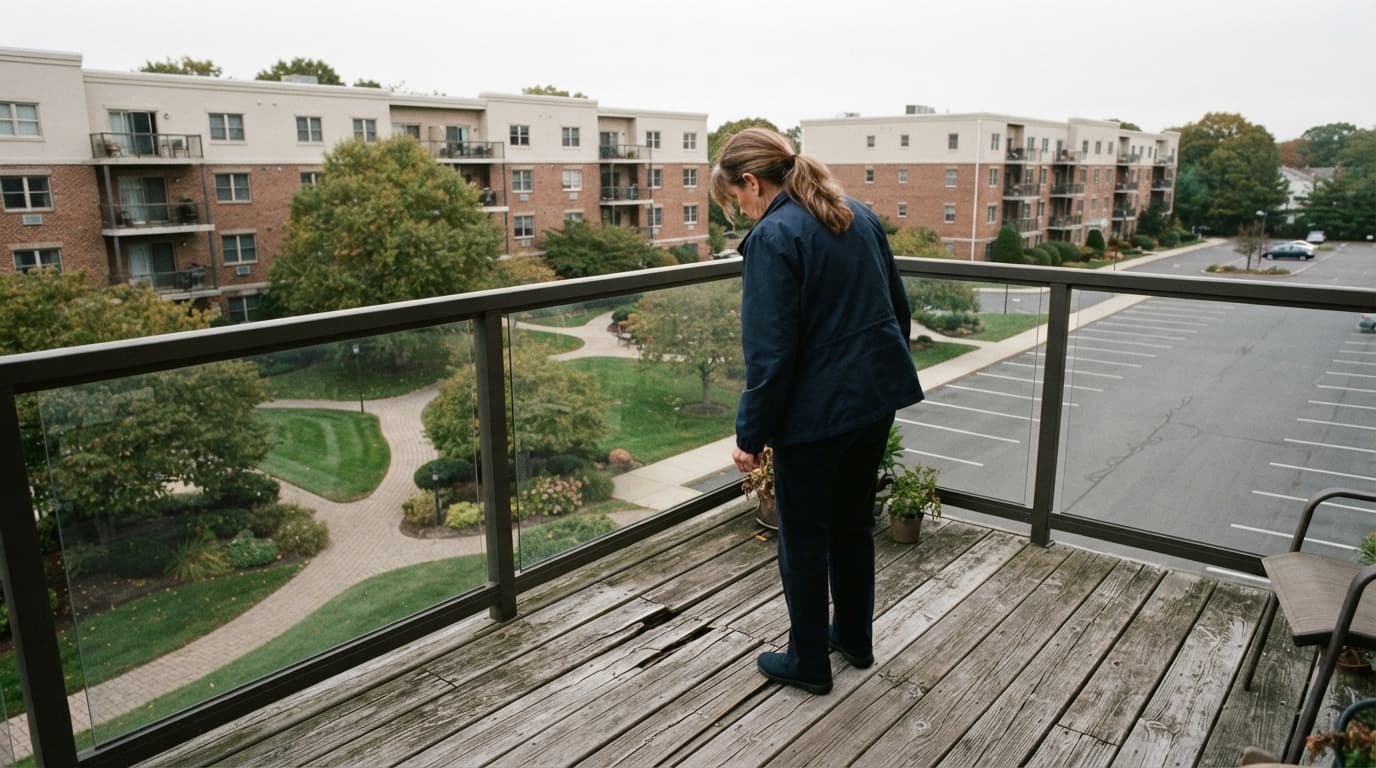
Getting covered starts with reviewing the current HO6 policy, the association bylaws, and the master insurance policy to understand where the association's responsibility ends and the unit owner's responsibility begins. For condo owners in Plainview, that review is especially important when buying a unit, renewing coverage, or learning that the building has raised its deductible. It also helps to compare how similar associations in Syosset, Woodbury, Bethpage, and Hicksville handle pass-through charges after a loss. The next step is selecting a deductible assessment limit that fits the building's actual risk profile and your budget. A careful review can help reduce surprises and make sure the policy reflects how condo ownership really works in Plainview, NY.
Condo Coverage Questions
Cost varies based on the building, claims history, insurer, and the limit selected. In Plainview, NY, adding or increasing deductible assessment coverage is often relatively affordable compared with the potential out-of-pocket cost of an association deductible charge after a major loss.
It generally covers your share of a covered assessment when the condo association passes through part of its master policy deductible after a covered loss. Coverage depends on the cause of loss, your policy wording, and the limit on your HO6 policy.
Many condo owners in Plainview should strongly consider it, especially if their association carries a large master policy deductible. It can be valuable in buildings exposed to water damage, storms, shared system failures, or other losses affecting common property.
Start by reviewing your condo policy, association bylaws, and the master policy deductible. Then compare your current limit to the potential assessment risk for your building in Plainview and nearby areas like Syosset, Woodbury, and Bethpage.
No. Deductible assessment coverage usually applies only to qualifying assessments tied to covered losses under the policy. It typically does not cover maintenance expenses, reserve funding, or charges related to excluded damage.
Get a Plainview Quote
See condo coverage options built for Plainview owners in a few quick steps.